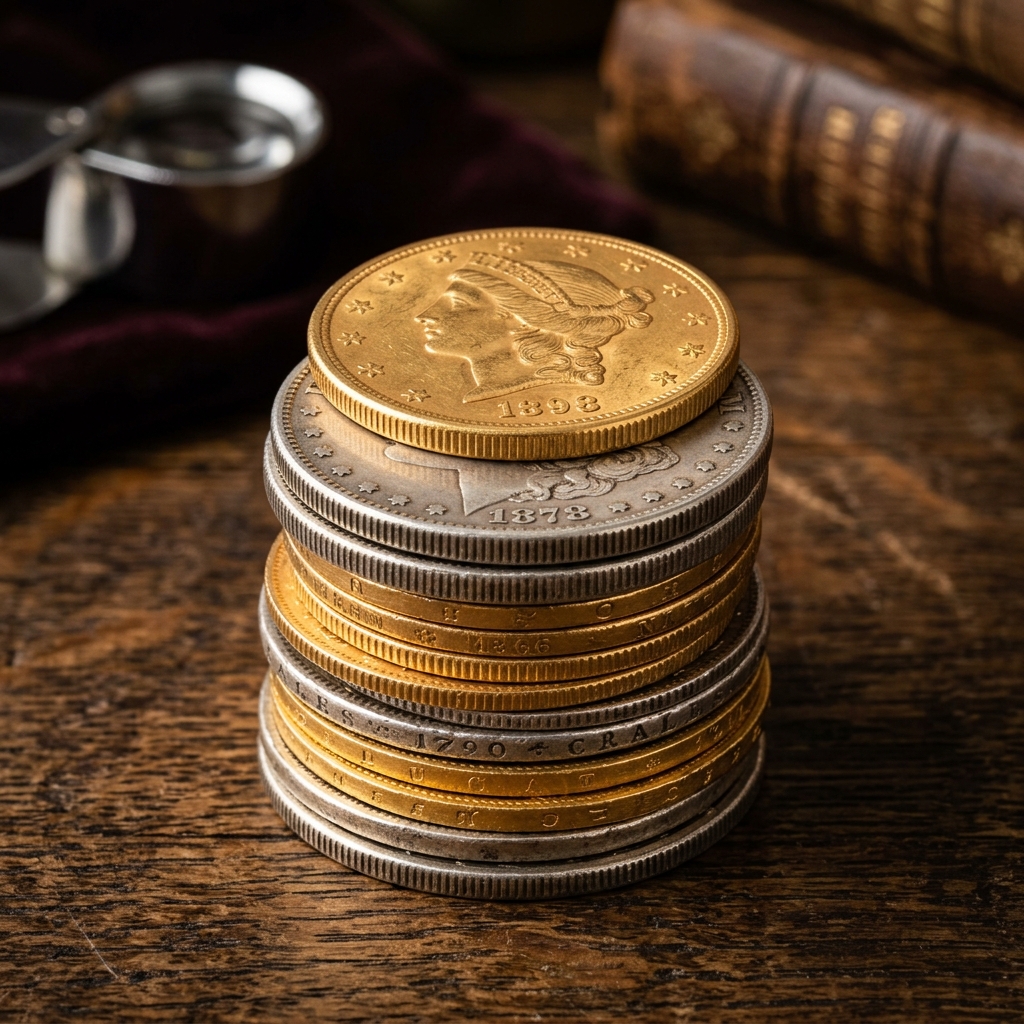
The market for old coin buyers and rare currency notes in India has grown significantly over the last few years. This surge in interest has attracted thousands of numismatic enthusiasts, but also opened opportunities for fraudulent activities. Understanding how to navigate sales safely is essential for every individual seller.
1. Beware of the "Registration Fee" Scam
This is the most common scam in the coin selling market. Fraudsters posing as representatives of the RBI, national museums, or international auction houses contact sellers and claim their coin is worth lakhs or crores of rupees. They then demand a "registration fee", "file charge", "RBI clearance fee", or "GST deposit" of ₹5,000 to ₹50,000 to process the payment.
Critical Security Notice
Remember: Real and verified coin buyers will NEVER ask you for registration fees or upfront deposits. Our appraisals and evaluations are 100% free of charge, and we pay you directly upon verification.
2. How to Verify a Dealer's Credentials
Before dealing with any buyer, check their active business credentials. Genuine buyers should have:
- A permanent business office or local representative shop.
- No demands for upfront payments or financial information.
- Realistic price valuations. If a buyer promises crores for a very common coin (like standard post-independence ₹5 or ₹2 coins), it is highly likely a trap.
- Clean reviews, testimonials, and verified contact numbers.
3. Ensuring Safe Transaction Deliveries
Whenever possible, opt for face-to-face evaluations at physical offices or public numismatic exhibitions. If sending items via courier, ensure you use insured shipping services with tracking. Verify the receipt of payment (cash or bank transfer clearance) before physically handing over high-value historical collections.